

Blog
Why KPK Mustard Oil is Famous in Pakistan — The Story of Mardan & Swabi Mustard Seeds

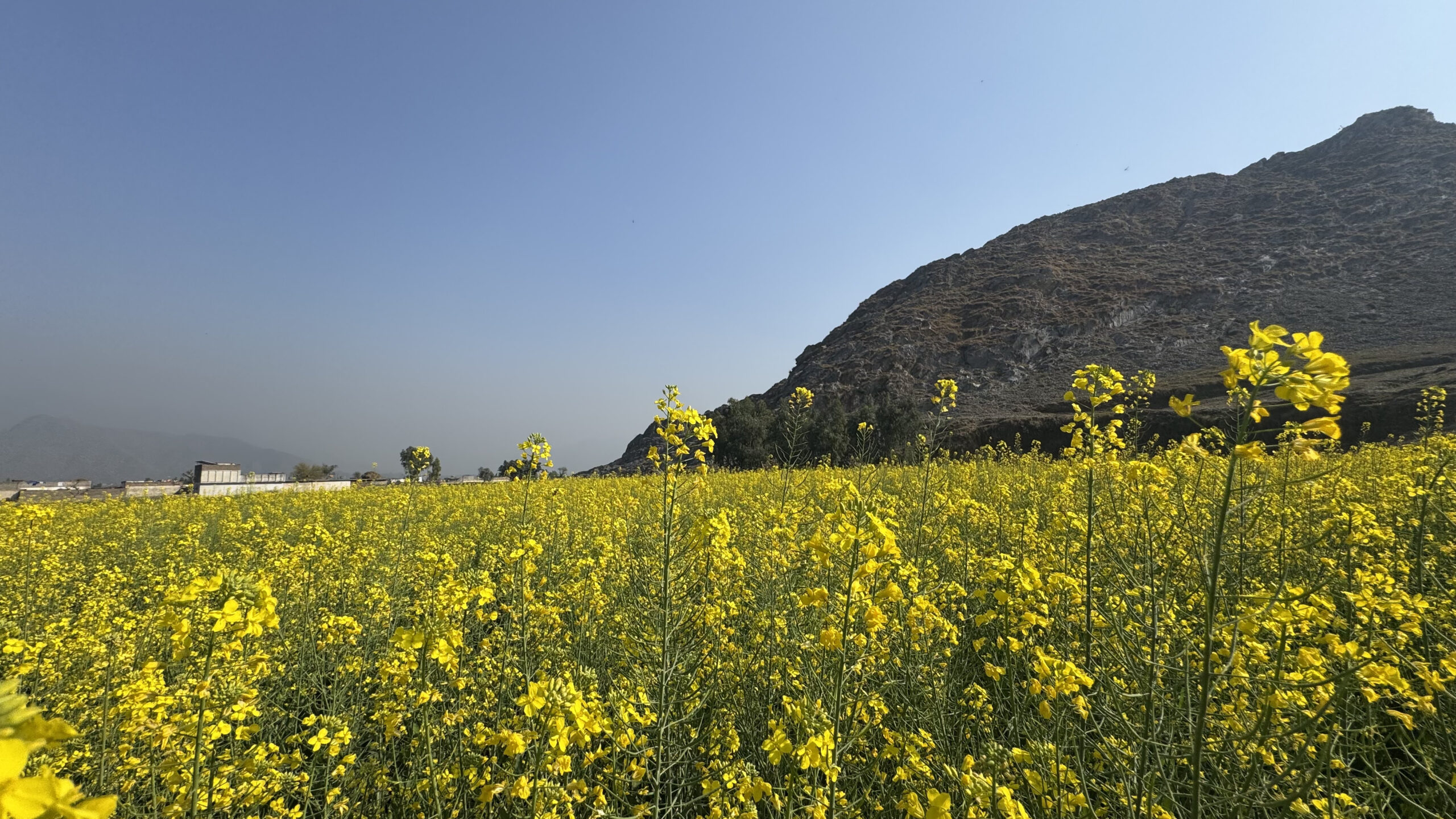
Pakistan is home to many agricultural regions, but when it comes to producing premium-quality mustard oil, one name consistently stands out—Khyber Pakhtunkhwa (KPK). For generations, the fertile lands of Mardan and Swabi have been known for cultivating mustard seeds that produce rich, aromatic, and naturally pungent mustard oil loved across the country.
Whether you visit traditional households in Peshawar, restaurants in Lahore, or families living in Karachi who originally belong to KPK, you’ll often hear people asking specifically for Mardan mustard oil or Swabi mustard oil. This reputation was not built overnight. It is the result of decades of farming experience, ideal climatic conditions, fertile soil, careful seed selection, and traditional oil extraction methods that preserve the natural qualities of mustard seeds.
At Edible Oil Hub, we proudly continue this tradition through Shaukat Oil Mills, a family-owned business established in 1985. By sourcing premium mustard seeds directly from trusted farmers in the Mardan and Swabi region and processing them with strict quality standards, we deliver authentic cold-pressed mustard oil to homes and businesses throughout Pakistan.
In this guide, we’ll explore what makes KPK mustard oil unique, why Mardan and Swabi are considered the heart of mustard cultivation in Pakistan, and how local farming traditions continue to produce some of the country’s finest edible oil.
The Geography Behind the Flavor — Why KPK’s Soil and Climate Matter
Every exceptional agricultural product begins with the land where it is grown. The distinctive taste, aroma, and quality of KPK mustard oil are closely connected to the natural environment of the Mardan and Swabi districts.
These regions are located within the fertile plains surrounding the Peshawar Valley. Their combination of fertile alluvial soil, balanced rainfall, moderate winters, and long hours of sunshine creates highly favorable conditions for mustard cultivation.
Fertile Soil Rich in Natural Nutrients
The agricultural lands of Mardan and Swabi have been cultivated for centuries. Seasonal rivers and irrigation canals continuously replenish the soil with minerals that support healthy crop growth.
Healthy soil contributes to:
- Strong mustard plants
- Better seed development
- Higher natural oil content
- Richer color
- Improved aroma
Farmers understand their land intimately and carefully prepare their fields before every planting season, maintaining soil fertility through crop rotation and traditional farming practices.
Ideal Winter Growing Conditions
Mustard is a winter crop that performs best in cooler temperatures.
The mild winters experienced across Mardan and Swabi allow mustard plants to mature gradually. Slow growth gives the seeds more time to develop natural oils, resulting in:
- Better flavor
- Rich aroma
- Higher oil yield
- Strong natural pungency
These conditions help produce the bold taste that many Pakistani families associate with authentic KPK mustard oil.
Clean Irrigation and Healthy Crop Development
Many farms in the region benefit from reliable canal irrigation and underground water sources. Combined with experienced farming practices, this supports healthy crop growth throughout the season.
When healthy plants produce mature, properly dried seeds, the resulting oil naturally develops its characteristic golden color and distinctive aroma.
A Farming Tradition Passed Through Generations
One of the biggest reasons KPK mustard oil has earned national recognition is the people behind it.
In Mardan and Swabi, mustard cultivation is not simply another seasonal crop—it is a family tradition that has been passed from one generation to the next.
Children often grow up watching their parents and grandparents prepare fields, sow mustard seeds, irrigate crops, and harvest mature plants. This practical knowledge has been refined over decades, helping farmers understand exactly when to plant, irrigate, harvest, and store their crop.
Sarson in Local Culture
Locally known as Sarson, mustard has long been part of daily life across KPK.
Families use mustard oil for:
- Traditional cooking
- Pickle preparation
- Seasoning vegetables
- Marinades
- Household culinary traditions
Because demand remains strong locally, farmers continue cultivating mustard with great care.
Harvest Season
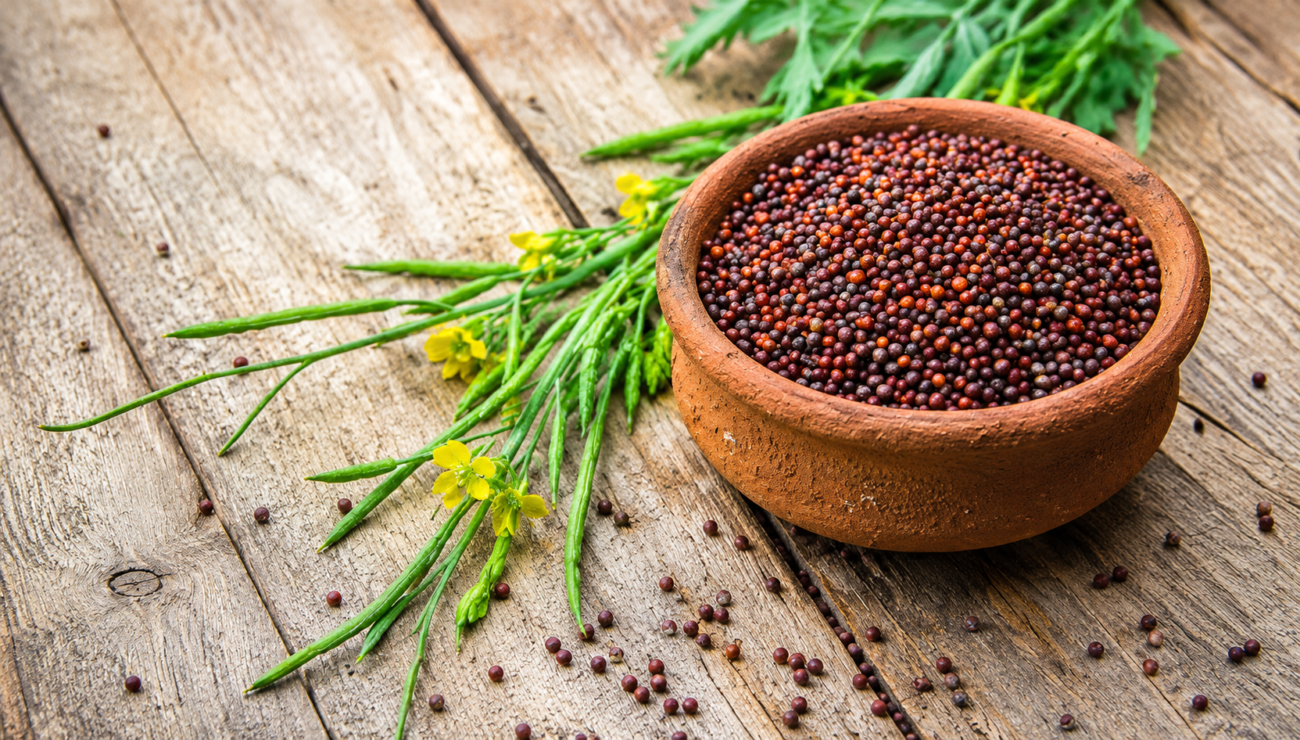
The mustard crop is generally harvested between February and March, when the plants turn golden and the seed pods mature.
Harvesting is often carried out manually, allowing workers to minimize seed loss while ensuring the crop remains clean before drying.
After harvesting, plants are left to dry before the seeds are separated, cleaned, and prepared for oil extraction.
Every stage requires patience and experience—qualities that cannot be replaced by machinery alone.
Why Local Seed Variety Makes a Difference
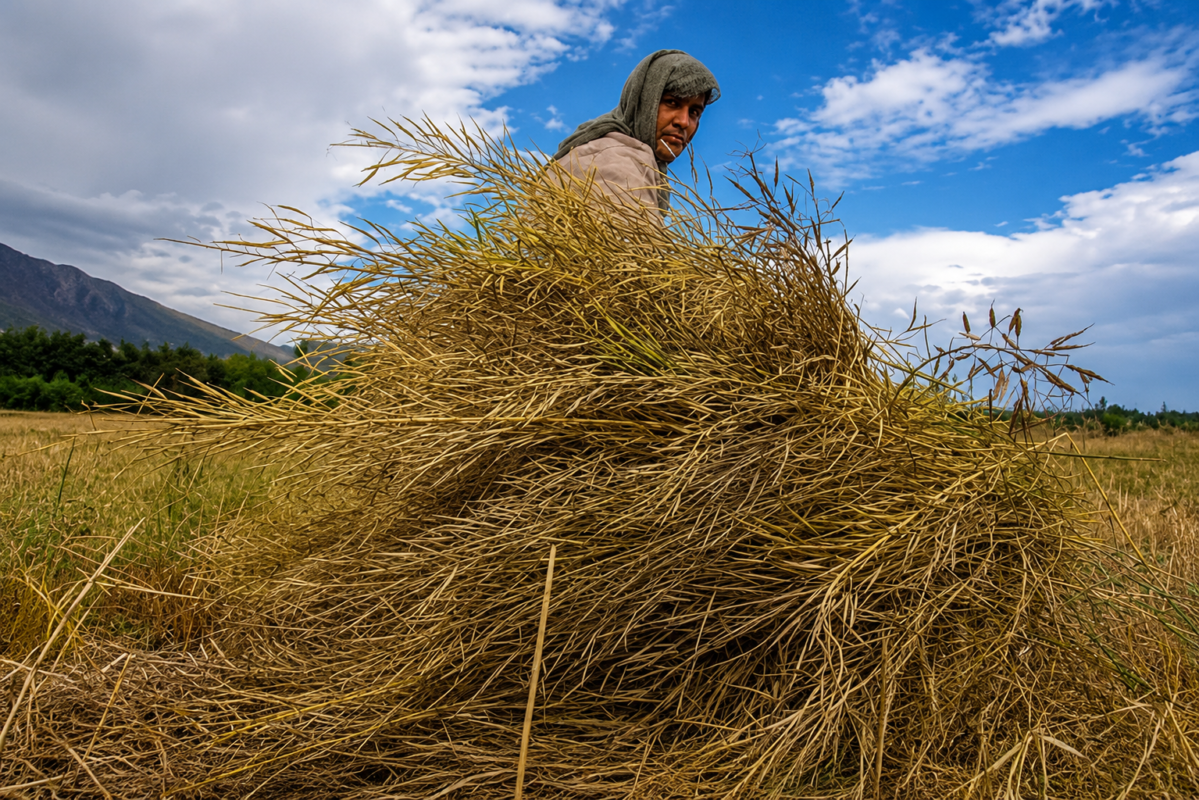
Not all mustard seeds are the same.
Although mustard is cultivated in several regions of Pakistan, the seeds grown in Mardan and Swabi have developed a strong reputation for producing oil with a richer aroma and more pronounced flavor.
Several factors contribute to this difference.
Seed Genetics
Local mustard varieties have adapted to KPK’s climate over many years.
These varieties typically produce:
- Higher-quality seeds
- Strong aroma
- Deep golden oil
- Characteristic pungency
Freshness Matters
Freshly harvested seeds retain more of their natural oils.
At Shaukat Oil Mills, seed selection begins before extraction. Only clean, mature, and properly dried mustard seeds are chosen for processing.
Poor-quality or damaged seeds can affect:
- Taste
- Aroma
- Oil clarity
- Shelf life
That is why careful inspection is an essential part of producing premium mustard oil.
Moisture Control
Moisture content plays an important role in oil quality.
Seeds that contain excessive moisture may reduce extraction quality and affect storage.
Proper drying and storage help preserve the natural characteristics of the seed until it reaches the oil press.
Why Consumers Notice the Difference
Customers who regularly cook with authentic KPK mustard oil often describe it as having:
- A stronger natural aroma
- Rich golden color
- Distinctive sharp taste (“tez”)
- Fresh mustard fragrance
- Better overall cooking experience
These qualities are why many households specifically look for mustard oil sourced from Mardan and Swabi instead of blended or imported alternatives.
For Shaukat Oil Mills, maintaining these characteristics begins with careful sourcing from trusted local farmers and continues through every stage of production until the oil reaches your kitchen.
From Seed to Oil — How Local Extraction Preserves Purity
Growing premium mustard seeds is only the first step. The way those seeds are processed has an equally important impact on the quality, flavor, and aroma of the final oil.
For generations, mustard oil in Khyber Pakhtunkhwa has been extracted using the traditional Kacchi Ghani (cold-pressed) method. While modern machinery has improved efficiency and hygiene, the core principle remains the same: extract the oil gently without exposing it to excessive heat.
What is Cold-Pressed Mustard Oil?
Cold pressing is a mechanical extraction process in which cleaned mustard seeds are pressed to release their natural oil. Because the seeds are not subjected to very high temperatures during extraction, much of their natural aroma, flavor, and original characteristics are retained.
Compared with highly refined oils, cold-pressed mustard oil is valued for its:
- Rich natural aroma
- Distinctive pungent flavor
- Deep golden color
- Traditional taste preferred in Pakistani kitchens
At Shaukat Oil Mills, every batch begins with carefully selected mustard seeds sourced from the Mardan and Swabi region. Before extraction, the seeds are cleaned to remove dust and impurities. They are then processed under controlled conditions to help maintain consistent quality.
Careful Filtration for Everyday Cooking
Once the oil is extracted, it is filtered to remove natural seed particles while preserving its authentic taste and appearance. The filtered oil is then packed in hygienic bottles and cans, ready for homes, restaurants, wholesalers, and commercial kitchens across Pakistan.
Every step—from seed selection to packaging—is carried out with a focus on quality, cleanliness, and consistency.
Read our complete guide: How Pure Cold Pressed Mustard Oil is Made — From Seed to Bottle.
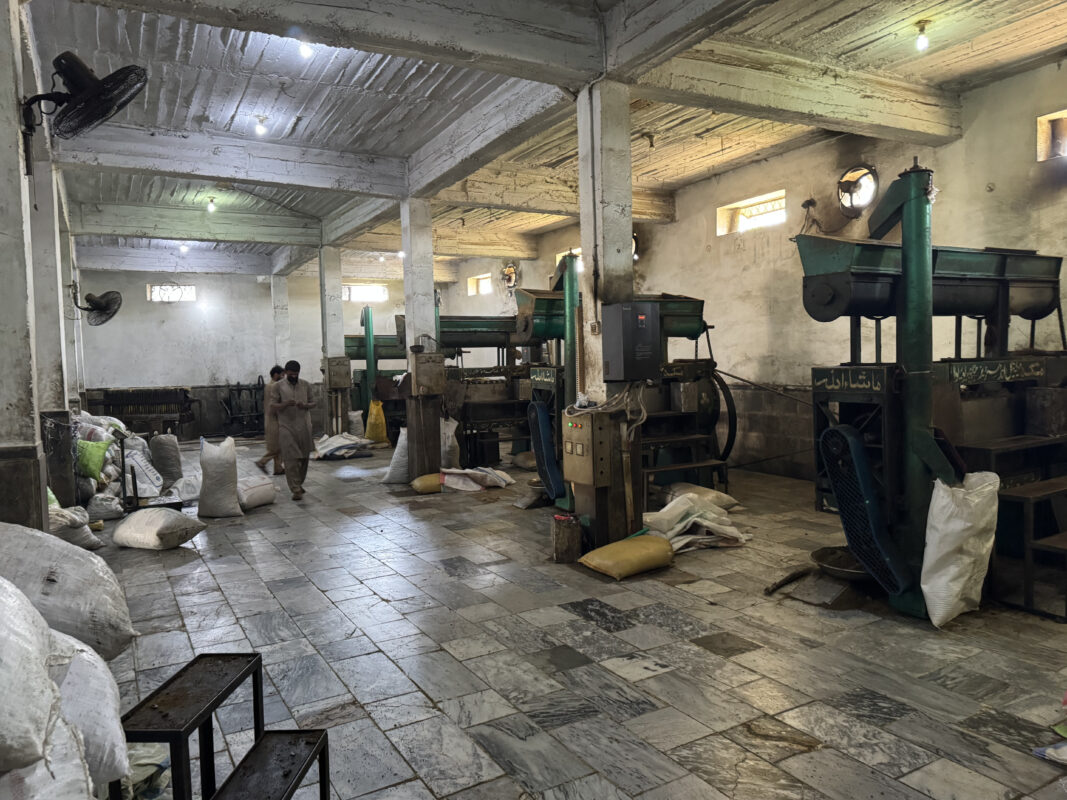
How Shaukat Oil Sources Seeds from Mardan & Swabi
Every bottle of quality mustard oil begins with quality seeds. That is why sourcing is one of the most important parts of our process.
Shaukat Oil Mills, established in 1985, has spent decades building long-term relationships with mustard growers across the Mardan and Swabi districts. Instead of relying on random market purchases, we prioritize sourcing from trusted farming communities known for producing premium-quality mustard.
Working with Local Farmers
Many of our suppliers have been cultivating mustard for generations. Their experience helps ensure healthy crops, proper harvesting, and careful handling of the seeds before they reach our facility.
By working closely with local farmers, we are able to:
- Source fresh seasonal mustard seeds
- Maintain consistent quality standards
- Support local agriculture
- Preserve the traditional mustard farming heritage of Khyber Pakhtunkhwa
Quality Inspection Before Processing
Not every seed is suitable for producing premium mustard oil.
Before processing, every batch is inspected for:
- Cleanliness
- Seed maturity
- Moisture level
- Physical condition
- Storage quality
Only seeds that meet our quality standards move forward for oil extraction.
More Than Four Decades of Experience
Since 1985, Shaukat Oil Mills has remained committed to producing authentic mustard oil using trusted sourcing practices and careful processing.
Over the years, our products have been supplied to:
- Families across Pakistan
- Grocery stores
- Retail shops
- Restaurants
- Catering businesses
- Wholesale distributors
Our goal has always been simple: deliver genuine mustard oil that reflects the quality of the Mardan and Swabi region.
Why Customers Across Pakistan Trust KPK Mustard Oil
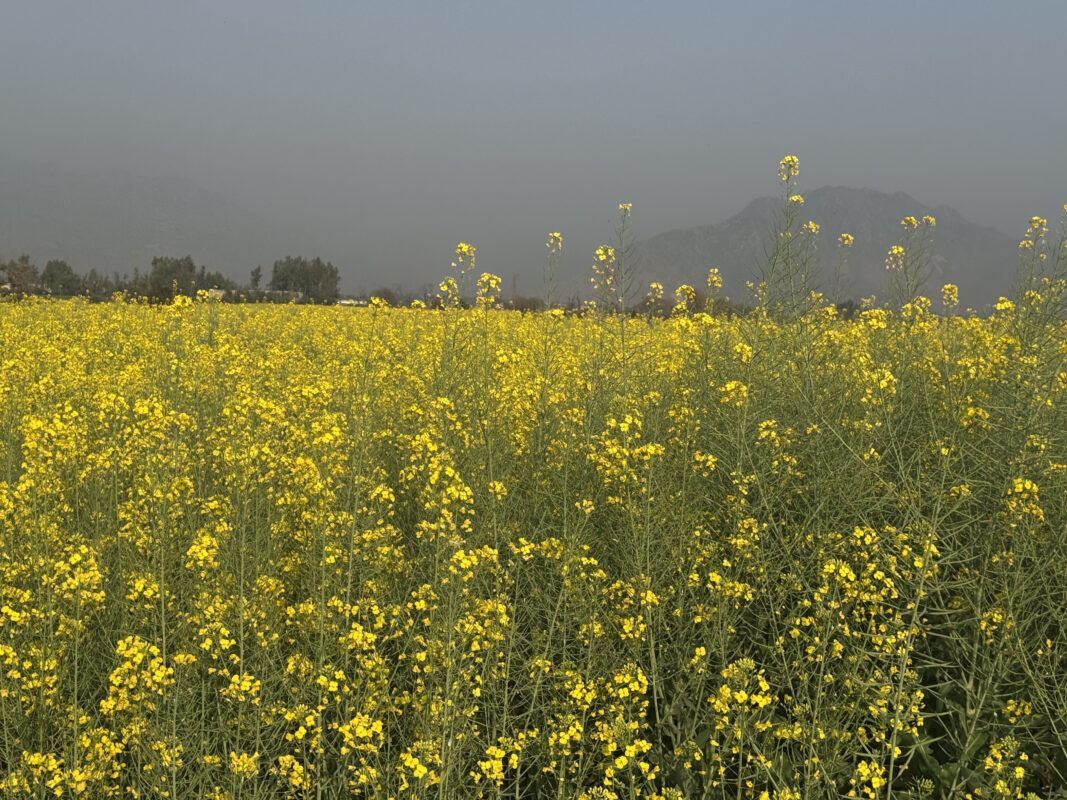
The reputation of KPK mustard oil extends well beyond the province itself.
Today, customers from Karachi, Lahore, Islamabad, Rawalpindi, Faisalabad, Multan, Quetta, and many other cities actively seek mustard oil produced from Khyber Pakhtunkhwa-grown seeds.
A Taste People Recognize
Many families who grew up in KPK continue purchasing mustard oil from Mardan and Swabi because it reminds them of the traditional cooking they enjoyed at home.
Its naturally bold aroma makes it a preferred choice for recipes such as:
- Traditional curries
- Vegetable dishes
- Pickles (Achar)
- Marinades
- Meat preparations
- Desi cooking
Trusted by Restaurants and Commercial Kitchens
Restaurants and food businesses also value consistent oil quality.
Commercial buyers often prefer premium mustard oil because consistency in flavor helps maintain the quality of their recipes.
Confidence Through Transparency
Customers appreciate knowing where their food comes from.
By sharing information about our sourcing, processing, and quality control practices, we aim to provide complete transparency—from farm to bottle.
Our commitment is straightforward:
- Carefully selected mustard seeds
- Responsible sourcing
- Hygienic processing
- Reliable quality
- Honest business practices
Bringing Mardan & Swabi Mustard Oil to Your Kitchen
Authentic mustard oil is the result of many small steps carried out with care—from preparing fertile fields and selecting quality seeds to careful extraction and hygienic packaging.
The fertile lands of Mardan and Swabi continue to produce some of Pakistan’s most respected mustard crops, and their reputation has been earned through generations of farming knowledge and dedication.
At Edible Oil Hub, we are proud to continue that tradition through Shaukat Oil Mills. By sourcing premium mustard seeds from trusted growers in Khyber Pakhtunkhwa and processing them with strict quality standards, we strive to deliver mustard oil that reflects the character and heritage of this remarkable region.
Whether you are cooking traditional Pakistani meals at home, running a restaurant, or purchasing in bulk for commercial use, choosing mustard oil made from quality local seeds helps ensure a rich, authentic cooking experience.
Taste the Difference of Authentic KPK Mustard Oil
Experience the rich aroma and bold flavor of genuine mustard oil sourced directly from the fertile lands of Mardan and Swabi.
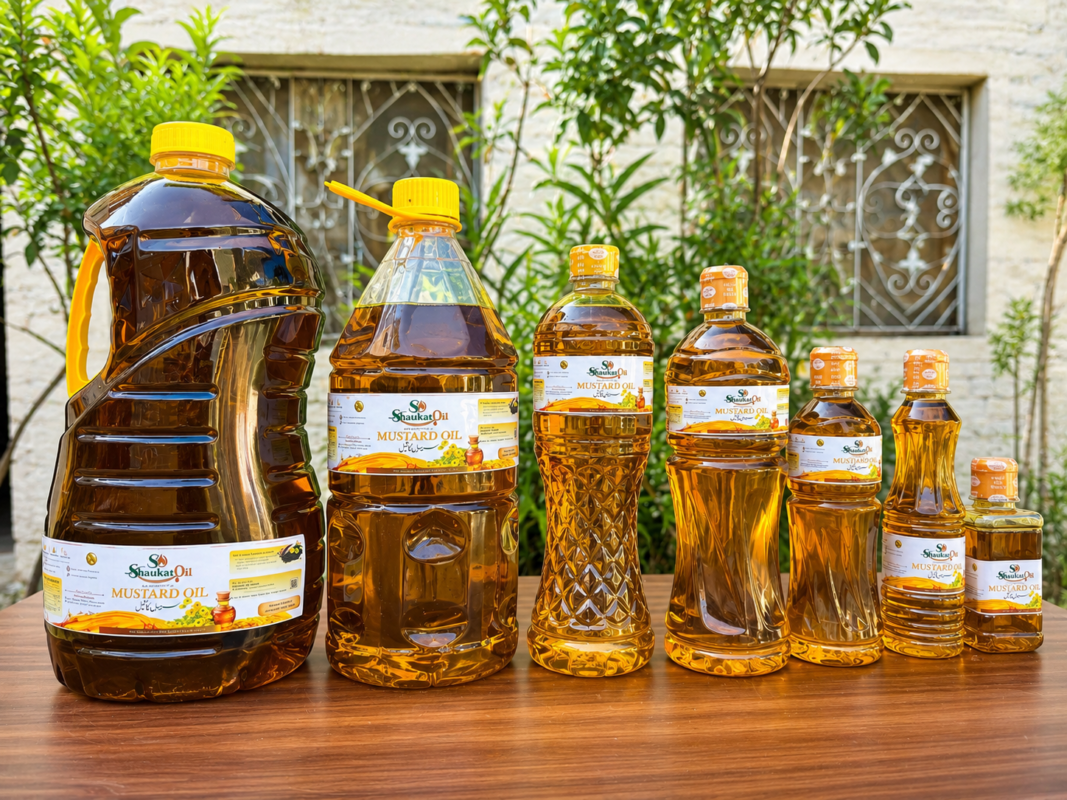
Explore our complete range of cold-pressed mustard oil in bottles, cans, and bulk packaging—carefully produced by Shaukat Oil Mills and delivered across Pakistan.
Whether you need a bottle for your family kitchen or bulk quantities for restaurants and wholesalers, Edible Oil Hub offers dependable quality backed by more than four decades of experience.
Frequently Asked Questions
Why is KPK mustard oil considered the best in Pakistan?
KPK mustard oil is widely appreciated because of the fertile agricultural land, favorable winter climate, experienced farmers, and high-quality mustard seeds grown in districts such as Mardan and Swabi.
Is mustard oil from Mardan and Swabi cold pressed?
Many producers in the region, including Shaukat Oil Mills, use cold-press extraction methods to preserve the oil’s natural aroma and traditional flavor.
What makes Mardan mustard seeds different?
Mardan mustard seeds are known for their strong aroma, healthy oil content, and the distinctive flavor they produce when processed into mustard oil.
Where can I buy authentic KPK mustard oil online?
You can order authentic mustard oil directly from Edible Oil Hub, where products are sourced from premium mustard-growing regions of Khyber Pakhtunkhwa.
Does Edible Oil Hub deliver across Pakistan?
Yes. We provide nationwide delivery for households, retailers, restaurants, wholesalers, and commercial buyers.




One thought on “Why KPK Mustard Oil is Famous in Pakistan — The Story of Mardan & Swabi Mustard Seeds”